
Why Grandparents Give the Gifts That Last: The Power of Heirlooms, Keepsakes & Childhood Memories
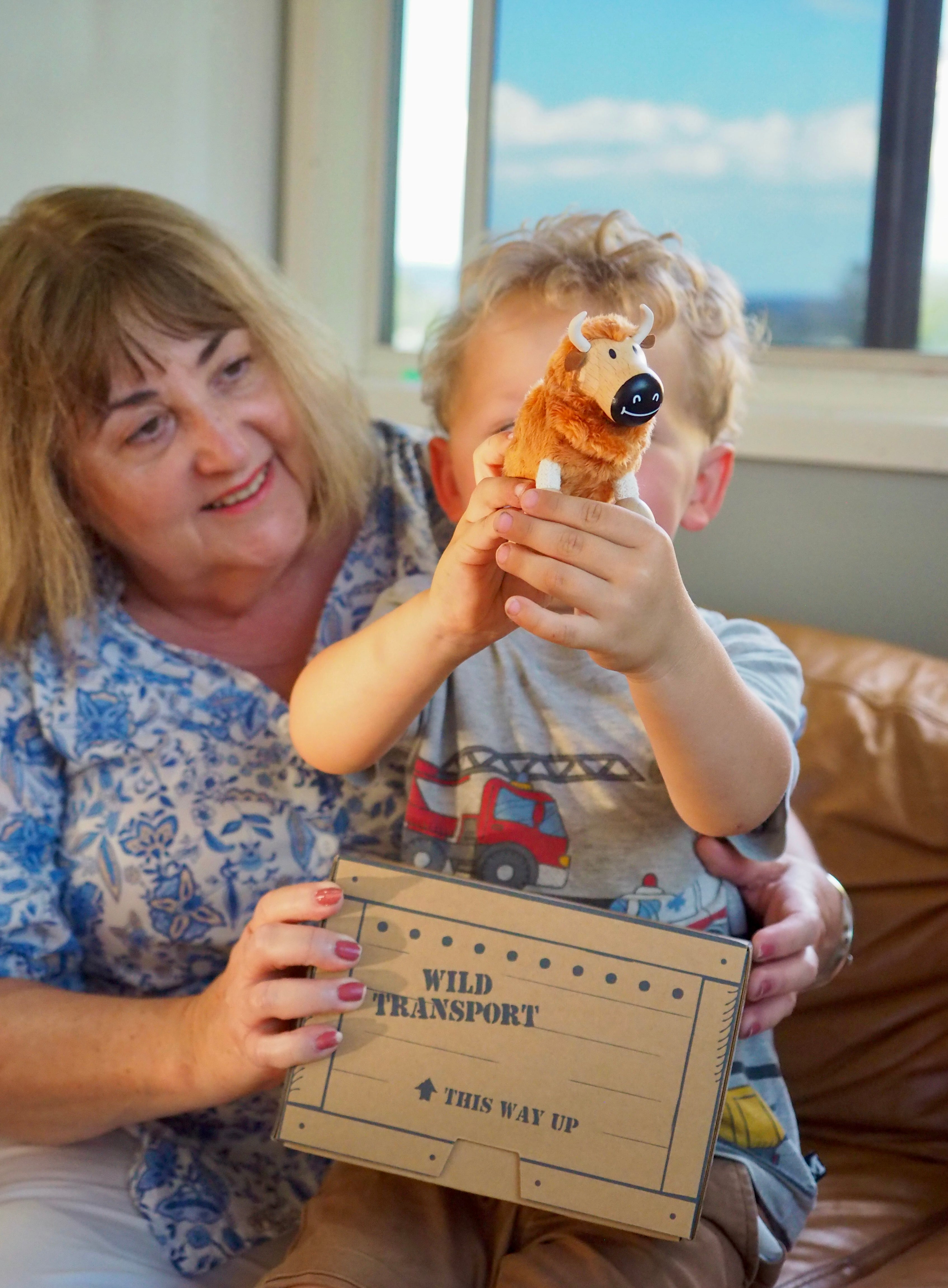
Some Gifts Are Opened… Others Are Remembered Forever
There’s something extraordinary about the way grandparents give gifts.
They don’t just think about Christmas morning. They think about every morning after that. They think about the little moments — sticky fingers, giggles on the carpet, the sparkle in a child’s eye when they discover something new.
Grandparents don’t buy toys.
They buy memories.
And in a world where children are surrounded by fast, flimsy, disposable things, the need for keepsake gifts — gifts that last years, decades, and even generations — has never been more important.
Research into the environmental impact of modern toys shows a clear pattern: most mass-produced plastic toys are quickly discarded. Cheap materials break, trends fade, batteries fail, and the toy that brought a moment of excitement is often thrown away long before it ever becomes meaningful.
But heirlooms?
Heirlooms become part of a family’s story.
Why Heirloom Gifts Matter (More Than Ever)
According to the Harvard Center on the Developing Child, children form deep emotional associations with objects that represent security, imagination, and connection. Not the toy-of-the-week. But the meaningful ones — the ones gifted by someone they love.
Keepsake toys teach children:
- Attachment
- Imagination
- Ritual
- Memory
- The value of “less but better”
And for grandparents, giving a keepsake is a quiet, beautiful way of saying:
“Even when I’m not there, this reminds you of me.”
It’s a legacy of love — small enough to hold, strong enough to last.
The Magic of Wooden Toys in Generational Memory
Wooden toys aren’t just charming. They are emotionally durable — a concept explored by design experts and child psychologists at places like the National Museum of Play. These toys age gracefully, don’t break easily, and carry a sense of nostalgia that plastic could never replicate.
This is why generations remember:
- The wooden dollhouse in Grandma’s lounge
- The farm animals they played with at Grandpa’s kitchen table
- The little wooden figure that lived in their childhood room for decades
When a child receives a wooden toy from a grandparent, it becomes part of the home’s emotional architecture — something displayed, kept, loved, repaired, and passed down.
It becomes a family anchor.
The Gift That Becomes a Memory
The Greater Good Science Center (UC Berkeley) writes extensively about how rituals and traditions strengthen family bonds. One of the simplest holiday rituals? A yearly keepsake from a grandparent. Something chosen with care. Something that represents a memory from that year.
Imagine the joy of:
- A new animal added to the child’s collection every Christmas
- A wooden character that reminds them of a family trip
- A special piece that mirrors their personality
- A gift that “lives” on the shelf for decades, not days
When they are adults, these pieces will tell the story of their childhood.
They’ll remember:
“Nan gave me this.”
“Pop picked this for me.”
“This was my favourite.”
Those memories outlast trends, packaging, and time itself.

Why Grandparents Choose Gifts That Last
Grandparents aren’t influenced by toy catalogues or temporary crazes. They have perspective — decades of it. They’ve seen how the most treasured childhood objects aren’t the flashy ones.
They’re the durable ones.
The beautiful ones.
The ones that feel special in the hand and warm in the heart.
Keepsake toys matter because:
- They won’t be outgrown overnight
- They can be displayed (and redisplayed) for years
- They tell the story of childhood
- They can be passed from siblings, to cousins, to future children
- They help reduce waste and teach sustainability
- They build emotional continuity across generations
A grandparent’s gift becomes part of the family’s fabric.
The Importance of Gifts That Don’t End Up in Landfill
Reports from National Geographic highlight that most mass-market plastic toys are unrepairable, difficult to recycle, and short-lived. They become clutter before they become cherished.
But wooden heirlooms?
They hold their shape.
They develop patina.
They become more beautiful with time.
When grandparents buy keepsake toys, they’re not just giving a gift — they’re modelling the value of stewardship, sustainability, and care.
What Makes a Toy an Heirloom?
A true heirloom is:
- Well made
- Timeless
- Repairable
- Meaningful
- Loved by more than one generation
An heirloom gift says:
“This is something for your childhood, and your children’s childhood.”
Not because of the price.
But because of the meaning.
A Legacy of Love — One Tiny Treasure at a Time
Children don’t remember the packaging.
They remember who sat with them while they played.
Grandparents give gifts that reflect that truth. They give the gifts that hold stories, survive childhood, and pass gently from one generation to the next.
When a grandparent chooses a keepsake toy, they’re choosing something far more powerful than a Christmas present.
They’re choosing a legacy.
Want a gift that becomes a family heirloom?
Anamalz are beautifully crafted wooden toys designed to last a lifetime, spark imagination, and become part of your family’s story.
Explore our collection here.

Send us a note