

Raising Emotionally Intelligent Kids: Small Habits That Make a Big Difference
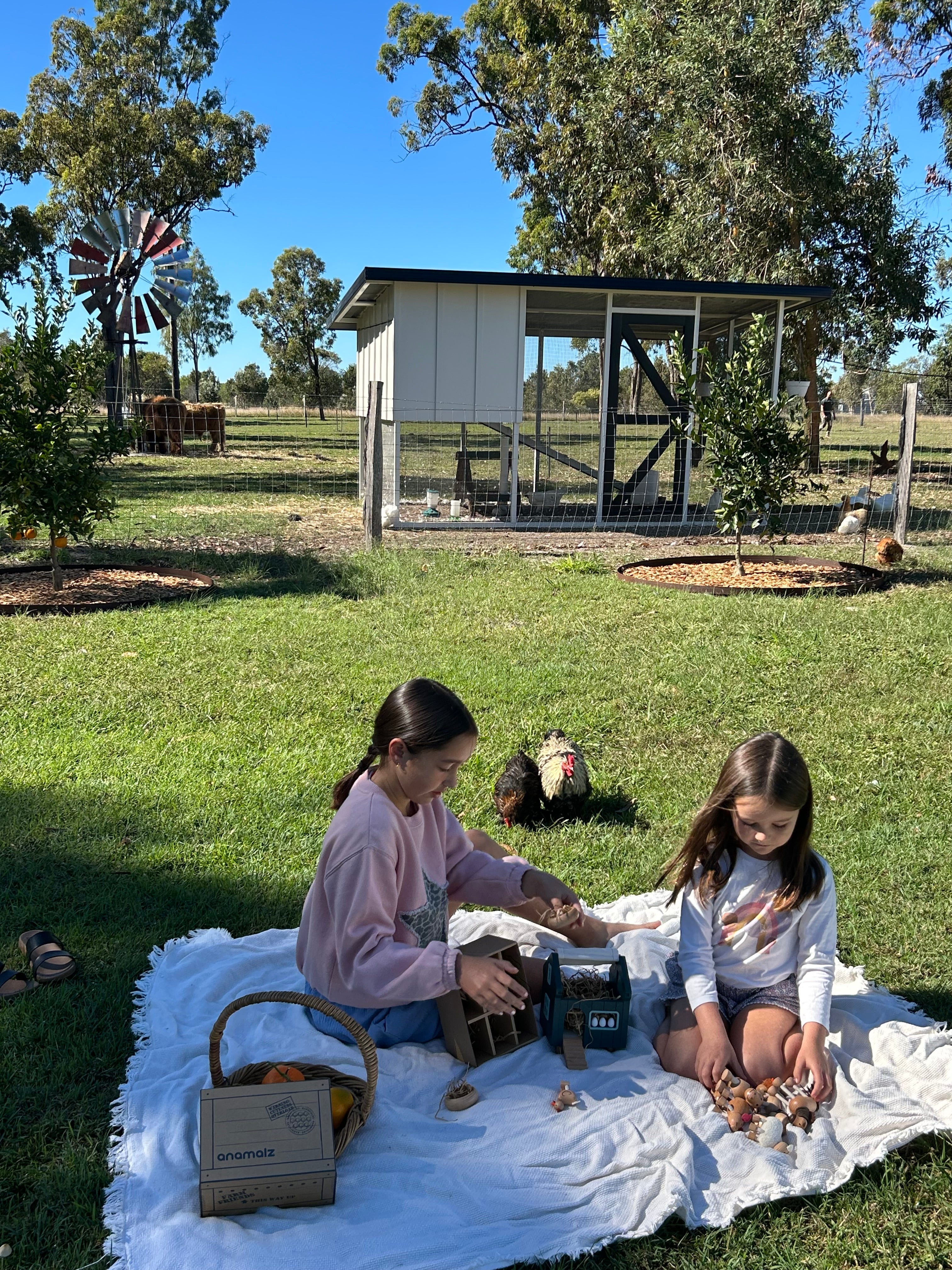
Emotional intelligence doesn't come from a curriculum.
It comes from thousands of small, ordinary moments — the way a parent responds to a scraped knee, the dinner table conversation that goes somewhere unexpected, the bedtime question that doesn't have an easy answer.
The good news? You don't need to be perfect. You need to be present.
What Is Emotional Intelligence — Really?
Psychologist Daniel Goleman, who brought the concept to mainstream attention in his 1995 book, defined emotional intelligence as the ability to identify, understand, manage, and use emotions effectively — both your own and others'.
In children, this looks like:
- Being able to name what they're feeling
- Tolerating frustration without falling apart
- Recovering from setbacks
- Reading social situations and responding with empathy
- Asking for help when they need it
These are skills. Not traits. And like all skills, they're built through practice.
For boys especially, this matters enormously. We don't often give boys explicit permission to have a rich emotional life — to feel sad, to feel scared, to feel overwhelmed. Building emotional intelligence early means they grow into men who know themselves, who can communicate, and who can navigate relationships with care.
The Habits That Actually Build It
Name emotions out loud — yours and theirs.
When you say "I'm feeling a bit stressed right now" or "You look really disappointed — is that right?" you're doing something powerful. You're giving feelings a language. Children whose parents name emotions regularly have significantly larger emotional vocabularies — and research consistently links that to better regulation, stronger relationships, and even academic performance.
Validate before you solve.
When a child is upset, the instinct is to fix it. But jumping to solutions skips the most important step: being heard. Try sitting with the feeling first. "That sounds really hard." "Of course you're upset." Then, once they're calmer, you can problem-solve together.
Talk about your own emotional experiences.
Children learn by watching. When you model saying "I made a mistake today and I felt embarrassed, but then I fixed it" — you're teaching them that emotions are normal, survivable, and not something to be hidden.
Repair after ruptures.
Every parent loses their cool. What matters more than the rupture is the repair. Going back and saying "I was too harsh earlier — I'm sorry" teaches children something profound: relationships can be hurt and healed. That is emotional intelligence in action.
Play imaginative, empathy-building games.
Pretend play — especially with characters that have feelings and stories — is one of the most powerful emotional intelligence builders available to children. When a child decides that the lion is scared of the dark, or that the elephant is trying to find his way home, they are practising perspective-taking. They are building the neural pathways of empathy.
What You Don't Need to Do
You don't need a perfect emotional vocabulary yourself. You don't need to manage every difficult feeling gracefully. You don't need to schedule "emotional intelligence sessions."
You just need to stay curious about your child's inner world. To treat their feelings as real and worthy of attention. To model, imperfectly and honestly, what it looks like to be a person who feels things and keeps going.
The Long View
Research from the Collaborative for Academic, Social, and Emotional Learning (CASEL) — co-founded by Daniel Goleman — consistently shows that children who receive social and emotional learning support have better outcomes in academic performance, reduced behavioural problems, and stronger long-term wellbeing. The habits you build now are not small things. They are life-shaping.
Anamalz wooden animals are perfect companions for imaginative, empathy-building play — helping children create stories, explore feelings, and develop the emotional intelligence that lasts a lifetime. Shop the collection here.

Send us a note